Museum Field Trips
The Wisconsin Maritime Museum’s Education Department offers a wide variety of formal and informal educational programs for youth, homeschool, scout and school groups.
Check out these links below to help you plan your maritime education adventure!
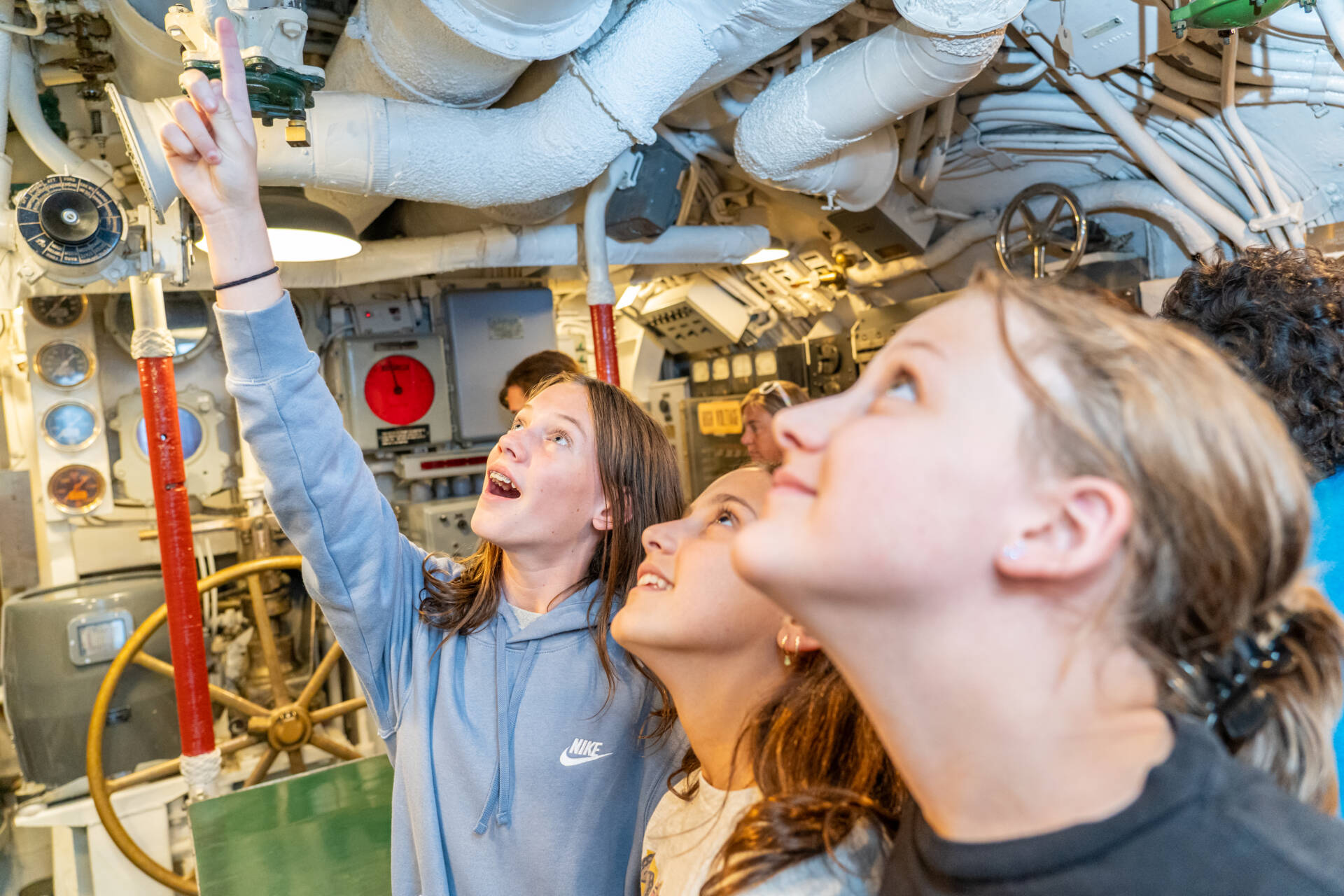
Education Visits Include
- One 45-minute program with an educator
- A tour aboard the USS Cobia, our World War II submarine
- Options for self-guided activities
- Discounted admission for school, scout, homeschool and youth groups
Field Trip Pricing
- Students (K-college): $6
- Preschool students: $3
- Teachers and aides: Free
- Additional chaperones: $7
- Additional Guided Programs: $3 per student
- Weekend Surcharge: $50
Discounts available for Manitowoc and Two Rivers schools.
Education Programs
Select from one of the programs listed below!
Wisconsin’s Underwater Treasures
All Ages
This hands-on, interactive tour takes groups through Wisconsin’s history using shipwrecks. This program can be modified to be suitable for all ages.
Gallery Scavenger Hunt
Elementary & Middle School
A great option for groups that want to do self-guided galleries!
Busy Boats
Preschool to Kindergarten
An interactive storytime for the museum’s littlest sailor
Aquatic Invaders
Elementary School
This hands-on program will ask students to move invasive species around the Great Lakes and see for themselves how these aquatic invaders have changed our watershed forever.
Underwater Robots
Elementary & Middle School
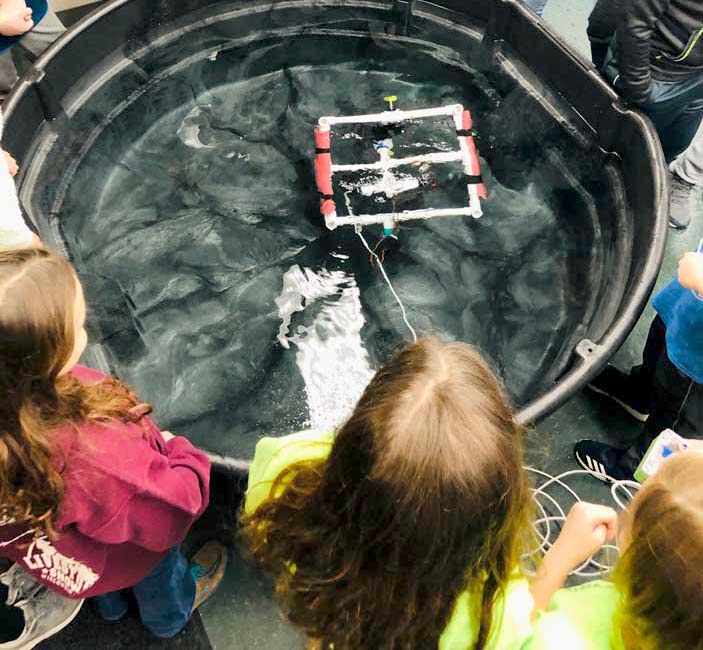
Learn about how remotely operated vehicles are used today in underwater research. Groups will build and test their own robot in water! Sponsored by Festival Foods & Burger Boat
An Immigrant’s Journey
Elementary & Middle School
Learn about Wisconsin’s immigrant past using historic artifacts, primary sources and real story of family immigration.
World War II on the Homefront
Middle & High School
While troops were fighting overseas, life at home was radically changed. Using real artifacts and local stories, learn what life was like on the World War II homefront.